Oily skin in pregnancy: a simple 3-step routine
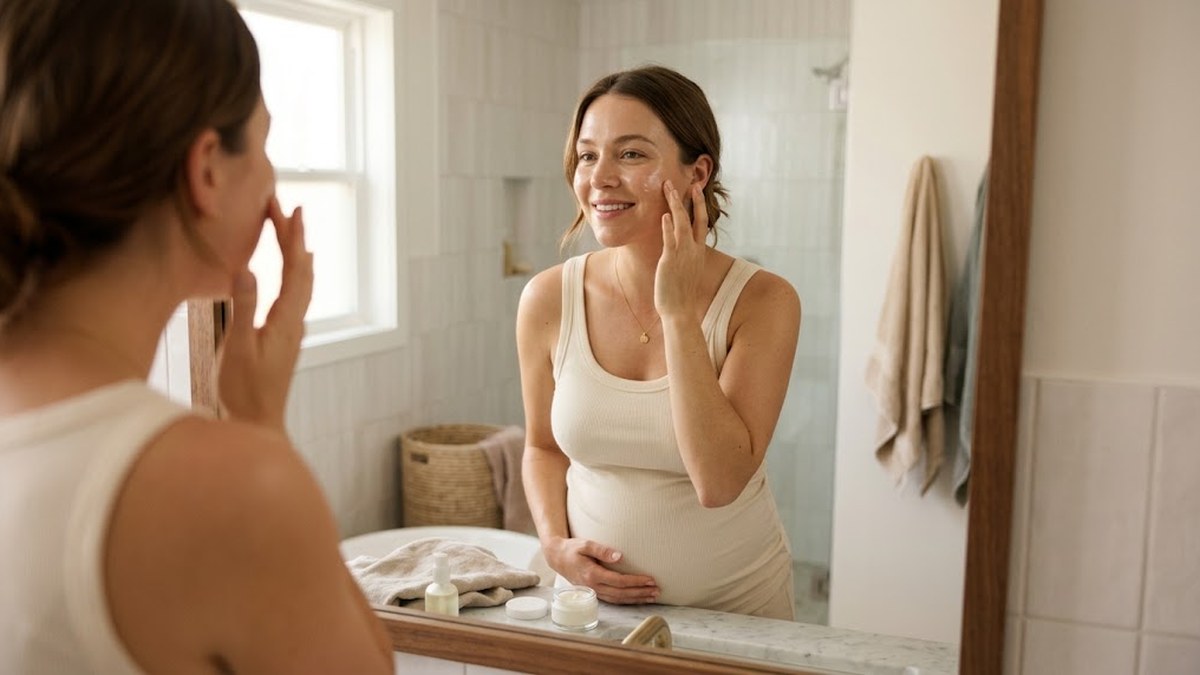
I spent the whole pregnancy with my face shining. It wasn’t that glow everyone talks about, it was oiliness itself, forehead and nose looking like they had come out of a fryer. I began to wonder if it was normal. It is normal, and there is an explanation. The good news is that you can organize a simple routine, with three steps, without overdoing it and without harming your skin. I’ll show you how I do it, always remembering that in pregnancy the obstetrician and the dermatologist are the ones who guide you.


Why skin gets oilier in pregnancy
During pregnancy, hormones change a lot, and one of the effects is increased sebum production by the sebaceous glands. Sebum is that natural oil the skin produces to protect itself. When it increases, the skin becomes shinier, and some women also notice more visible pores and more blackheads or pimples. It is not dirt or neglect, it is the body reacting to a new phase.
At the same time, not every pregnant woman has oily skin. Some have dry skin, some have combination skin. And some, who never had a pimple, start having them in pregnancy. All of this is individual variation. The important thing is to look at your skin as it is now and adjust the routine to it.
Step 1: gentle cleansing, morning and night
The most common mistake is washing your face several times a day, with a strong soap, hoping to remove the shine. This usually makes it worse. When you attack the skin, it tends to produce even more sebum to defend itself. So cleansing needs to be gentle and in the right measure.
- Wash your face morning and night with warm water, never hot.
- Use a gentle soap or cleansing gel, without alcohol and without harsh exfoliants.
- If the skin is very oily in the middle of the day, a rinse with water alone or a face-specific blotting sheet can help.
- Do not use a loofah or a small brush every day.
- Always talk to your obstetrician before introducing any new product.
Step 2: light moisturizing
Many people with oily skin skip moisturizing thinking it will make things worse. That’s not quite how it works. Oily skin also needs moisturizing, just with lighter products, in gel or oil-free lotion. If you don’t moisturize, the skin can become dehydrated and respond with more oiliness.
Apply a small amount of product, directly to clean, dry skin. No need to overdo it. And watch out for very heavy textures full of fragrance, which tend to bother oily skin.
Step 3: sun protection every day
This step is mandatory, and not just for beauty reasons. The sun is one of the main factors that darken spots in pregnancy, such as melasma. That’s why sunscreen needs to be part of the routine even on a cloudy day and even if you stay indoors most of the time.
- Choose a facial sunscreen, light, without much shine, with a high protection factor.
- Apply in the morning and reapply throughout the day, especially if you are exposed to the sun.
- Don’t forget your neck and ears.
- Also prefer a hat and shade to reinforce protection.
If your skin has spots or you are worried about lightening, it’s worth understanding better why skin darkens in pregnancy before going out to test products. And it’s not just the face: it’s common to notice darkening in other areas, such as why the groin area gets dark.
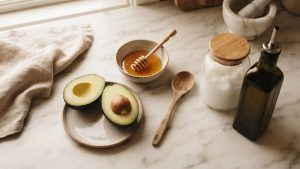
In pregnancy, do not use acids, lighteners or products with strong active ingredients without your obstetrician’s clearance and a dermatologist’s guidance. If you are going to test any mask or homemade recipe, do a sensitivity test on a small area of skin and wait 24 hours. A homemade product does not replace a dermatological assessment.
What to avoid at this stage
Besides not attacking the skin with excessive cleansing, also avoid sunbathing without protection, sleeping with makeup on and using many new products at once. If you start five products together, you won’t know what worked and what irritated. Introduce one at a time and observe your skin for a few days.
It’s also worth remembering that some active ingredients used to control oiliness and acne are not recommended in pregnancy. That’s why the moment to adjust your routine is with your doctor, not with the internet. A good starting point is to review skin care during pregnancy and build a realistic routine, without complicating it.
Frequently asked questions
Is oily skin in pregnancy normal?
Yes. Hormonal changes increase sebum production, and this makes the skin shinier. In some women this disappears after childbirth, in others the skin changes for good.
Can I use acid to control oiliness?
It depends on the acid and the stage of pregnancy. Many active ingredients are not indicated without medical clearance. Don’t use them on your own: talk to your obstetrician and a dermatologist.
Do I need to change all my products?
Not necessarily. Start by adjusting cleansing and moisturizing, and confirm with your doctor whether your current products are safe in pregnancy. Change gradually, one product at a time.
Caring for your skin in pregnancy has less to do with buying the trendy product and more with respecting the phase your body is going through. With a simple routine and medical guidance, it becomes easier to look in the mirror without anxiety. If something feels too heavy, seek professional help.
Ferramentas grátis para esta fase
- Calculadora de idade gestacional e data do parto Descubra em quantas semanas você está e a data provável do parto.
- Contador de contrações (trabalho de parto) Cronometre a duração e o intervalo das contrações.
- Calculadora de IMC (e ganho de peso na gravidez) Calcule o IMC e veja a faixa de ganho de peso de referência.